Travel Ideas
Romania's Grand Canyon: Râpa Roșie near Sebeș
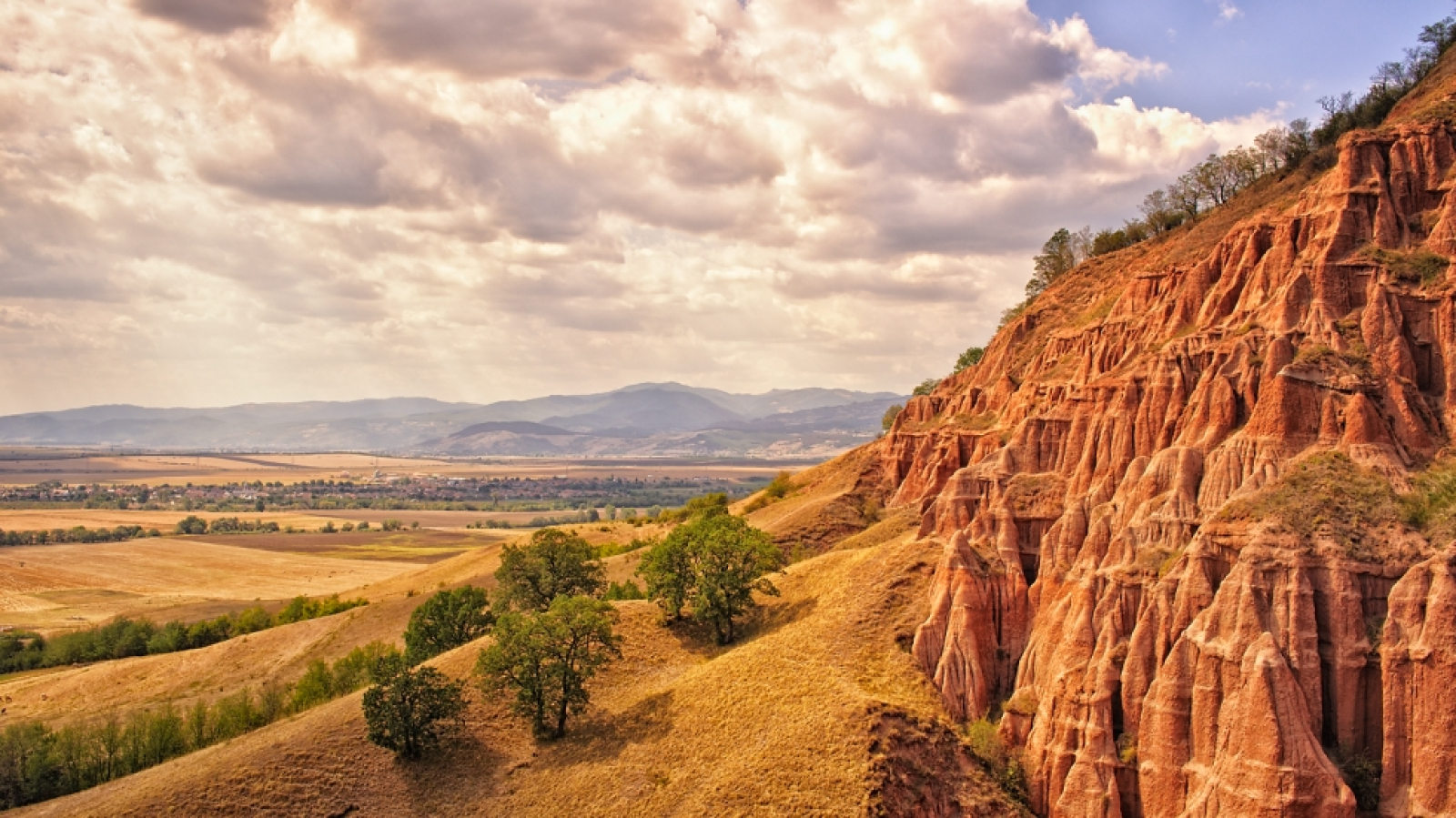
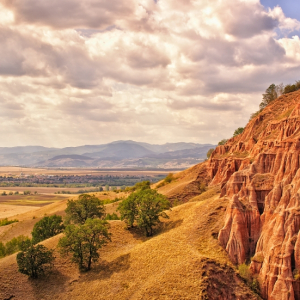
The Râpa Roșie (Red Ravine) Canyon is an extraordinary natural reserve made of massive reddish-brown cliffs that reminiscent of America's famous Grand Canyon. Although this ravine is not as gigantic or extensive as the mountain formation in the United States, it still offers an absolutely breathtaking view.
Located in the center of the country, this natural wonder has been shaped over millions of years by water and wind erosion. This stunning landform was created by the creek flowing from the Secașe Plateau, which over time deepened and carved through layers of gravel, sandstone, and quartz. Râpa Roșie remains relatively unknown, which is why its natural beauty has been excellently preserved. In the mid-1900s, the area was officially declared a protected reserve.

(Source: outdooractive)
One of the greatest advantages of Râpa Roșie is that, despite appearing to be at the edge of the world, it is extremely easy and quick to access by turning off the A1 highway. From the town of Sebeș, you must head towards the village of Daia Română on the DJ106 county road. After leaving the town and crossing the underpass beneath the highway, you will notice a gravel access road on your left. This road is already visibly marked with the signs of the famous national pilgrimage route, Via Transilvanica.
This location also provides a very pleasant and easy hiking trail suitable for all ages. Starting from the center of Sebeș, the edge of the ravine can be reached relatively quickly and easily. The flat meadow below the slope is ideal for family picnics. To reach the viewpoints on the edge of this natural monument, follow the path marked with a red dot. Due to the clay composition of the soil, the paths remain slippery even in dry weather conditions. This ascent requires proper equipment; wearing hiking boots or trail running shoes with good traction is highly recommended. In return, the upper viewpoints open up a stunning panorama over Sebeș, the Secașe Plateau, the Mureș Valley, and, in the distance, the Șureanu Mountains.
Geographically speaking, Râpa Roșie was formed by the action of rain and melting snow, which carved deep gullies into the soft rock layers. In specialized terms, this type of fragmented and vegetation-free terrain is called "badlands." The natural reserve spans an area of approximately 10 hectares. The rock wall is nearly 800 meters long, and its height varies between 50 and 425 meters.
The wall of the ravine consists of alternating layers of red clay, grey sandstone, gravel, and limestone. Seen from a distance, the walls resemble massive Gothic columns or gigantic organ pipes rising from the earth, while very fine, reddish sand accumulates at their base in the dried-up creek beds. The characteristic red and purple color is caused by the high iron oxide content in the rock, offering the most beautiful sight in the warm afternoon light just before sunset. The microclimate created on the rocky ledges and in the torrential creek bed favors the development of remarkable biodiversity. The area is home to rare and protected plant species, such as the wild carnation, sage, downy oak, and dwarf almond.
Other tourist attractions in the area
Since fully exploring Râpa Roșie—including time for photos and a walk through the valley—takes about half a day, it is well worth combining this outing with other nearby tourist attractions. Although Alba County does not enjoy the same intense promotion as Bran Castle, the historic center of Sibiu, or the Capital, Sebeș is a gorgeous Saxon town that certainly deserves a longer visit, not just a simple stopover. Walking through the historic center, you will be welcomed by an authentic Saxon atmosphere without the crowds of major tourist hubs.
The Gothic-style Evangelical Church is the symbol of the town, originally built in the 13th century as a Romanesque basilica and later receiving its impressive Gothic form. Preserved here is the most imposing and elaborate polyptych altar in the Transylvanian region, an exceptional work of art situated on the border between the Gothic and Renaissance movements.

(Source: fermoar)
A few original towers from the 14th century have been preserved to this day from the old defense system and stone walls of Sebeș. The most famous among them is the Student's Tower, located in the southeastern part of the town. Its name comes from an old story: during an Ottoman attack in 1438, a young student courageously defended the tower, becoming the sole survivor who left a written account of this siege.

(Source: Poveşti săseşti)
Just 2 kilometers from Sebeș, in the neighboring village of Lancrăm, lies the birthplace of the famous Romanian poet and philosopher Lucian Blaga. The village has managed to preserve its simplicity and old-fashioned countryside atmosphere, exactly as it was when the writer spent his childhood there. The house holds a special charm: it is whitewashed in blue, features old wooden beams, narrow windows, and thick stone walls, fully matching the descriptions in his memoir books.
Today, the building operates as a museum and exhibits remarkable items that belonged to the Blaga family. Tourists can see the original furniture, letters, old manuscripts, family photographs, as well as the poet's personal belongings, such as his overcoat, hat, inkwell, or travel suitcase. A bust of the writer stands in the large, grassy courtyard, and the old barn has been transformed into a modern space for cultural events. Furthermore, if you walk to the village cemetery, you can also visit Lucian Blaga's grave. The visit lasts about an hour and will immerse you in an extremely peaceful atmosphere, making it the perfect complement to the hike at the imposing formations of Râpa Roșie.
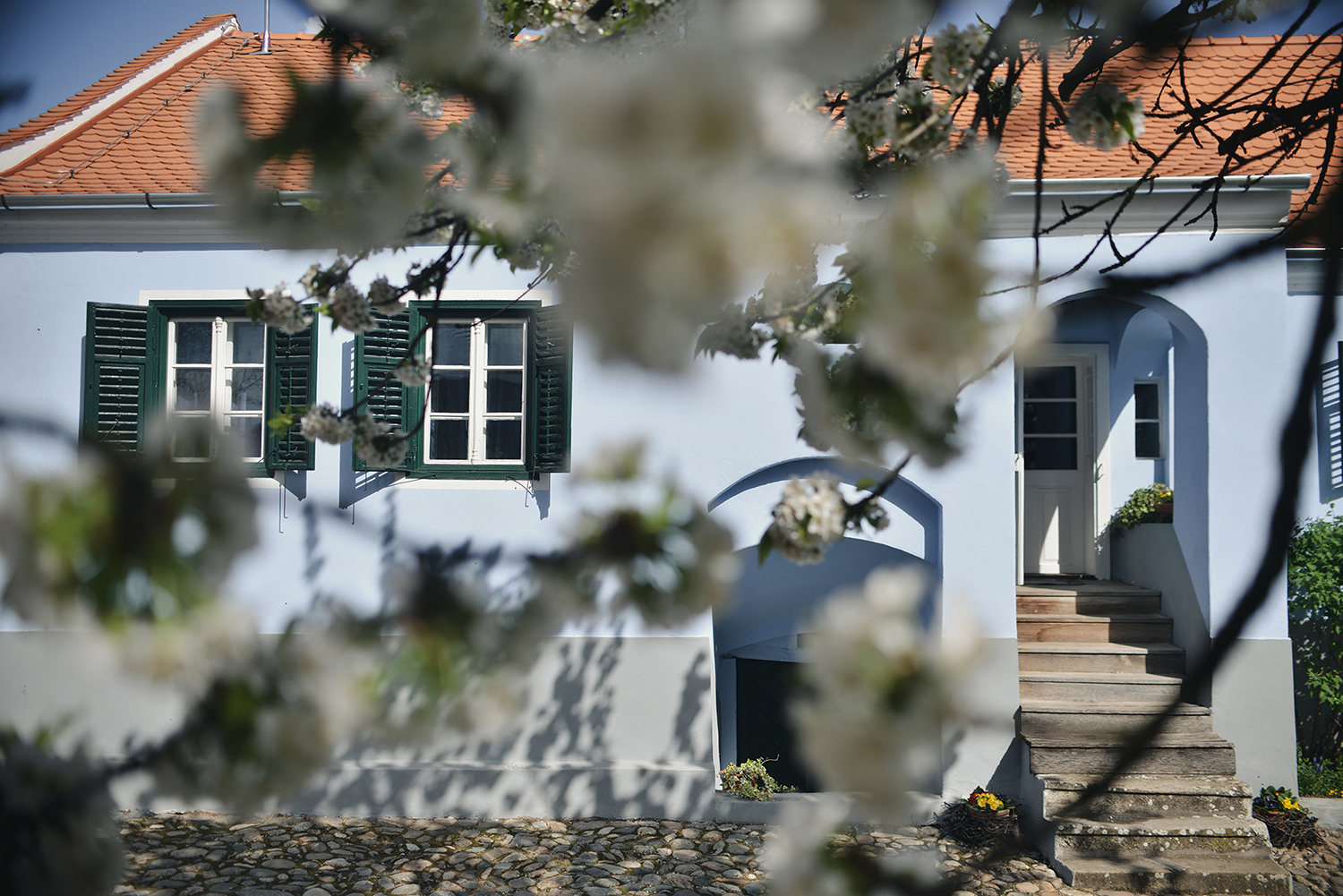
(Source: Drag de Sebeş)
If you have more time at your disposal, you can drive another 15 minutes to Alba Iulia to visit the massive Alba Carolina Citadel, or you can set off on the famous Transalpina mountain road, which begins right here in Sebeș.
To visit all these wonderful places without rushing, it is best to stay in the area for an entire weekend. Go to stayhere.ro to find the best accommodation options in Alba County and its surroundings.