
Top7
Top 7 Reasons to Visit Cluj This Summer
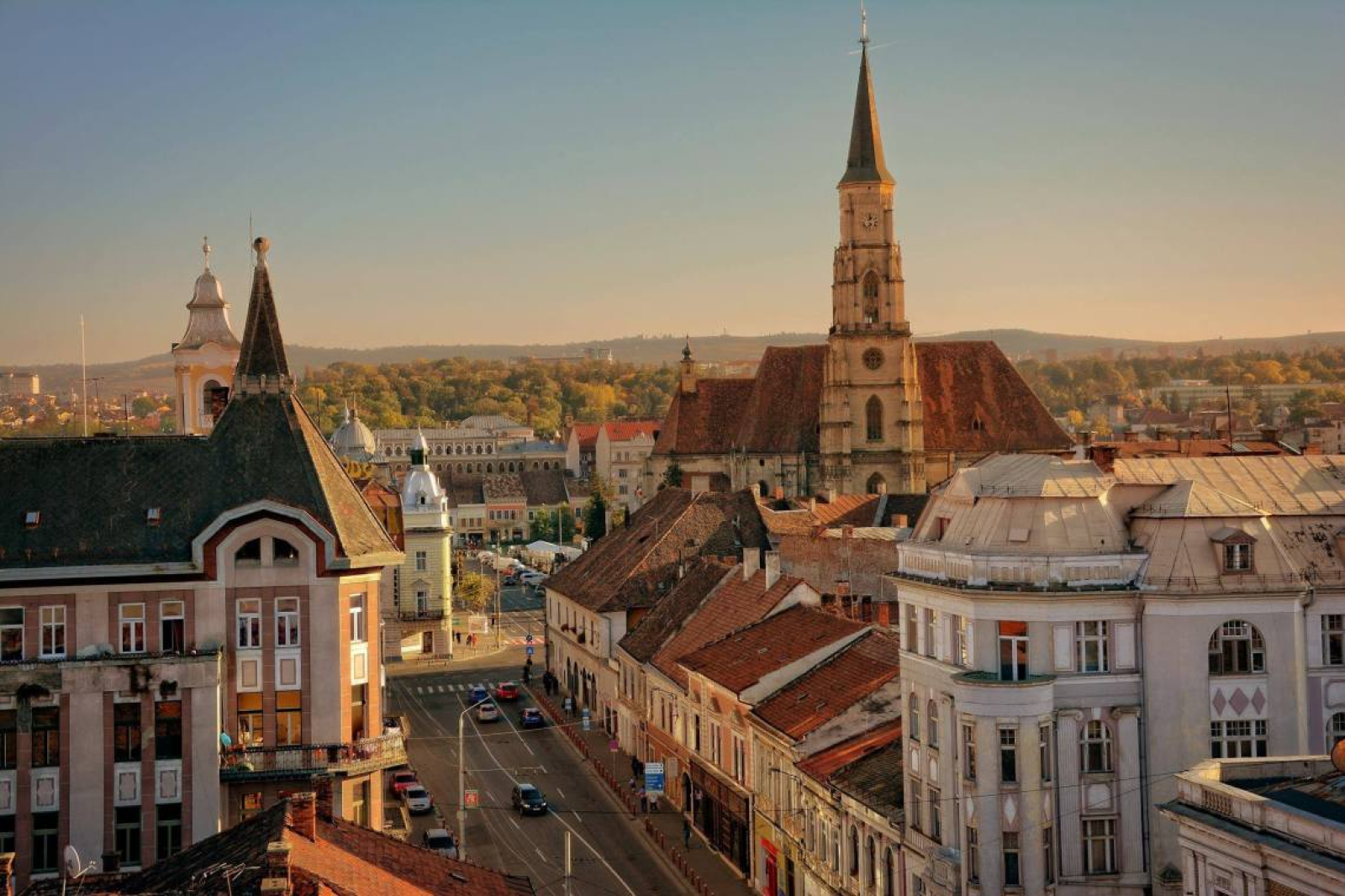
In summer, however, the city takes on a special energy: the old streets fill up with tourists and locals, terraces become popular meeting spots, and parks and outdoor events turn every day into a unique experience.
Known as the cultural capital of Transylvania, Cluj impresses with its blend of tradition and modernity. Here you’ll discover well-preserved historic buildings, medieval squares, charming cafés, and a constantly vibrant cultural scene. In summer, the city also buzzes with major events like music festivals, open-air film screenings, as well as craft and food fairs.
Moreover, Cluj is the perfect city for nature lovers: from the Botanical Garden—one of the most beautiful in Eastern Europe—to the surrounding forests and lakes, you’ll always find a green spot to cool off and relax.
What’s more, the city’s cosmopolitan atmosphere, fueled by students from all over the country and the world, makes Cluj a friendly, youthful place that’s always open to new experiences.
In this article, we’ll present the top 7 reasons why Cluj deserves to be your summer vacation or city break destination. From cultural landmarks to gastronomy, festivals, history, and nature, Cluj has everything you need for a complete and memorable getaway.
1. The History of Cluj – A Journey Through Centuries in the Heart of Transylvania
Cluj-Napoca is not only a modern and vibrant city but also a place steeped in history, proudly preserving a heritage that spans over two millennia. Since the times of the Dacians and Romans, when it was known as Napoca, the area has been an important center of civilization. Later, it became a crucial point in the Middle Ages, known as the city of the Saxons and craftsmen, and in modern times, it symbolized Transylvanian culture and ethnic diversity.
Today, walking through the old city center, you can feel the pulse of this history. Unirii Square, dominated by the imposing St. Michael’s Church—one of the most representative Gothic monuments in Romania—transports you directly to the medieval era. Just a few steps away, you can visit the Matthias Corvinus House, the birthplace of the King of Hungary, and admire the historic buildings that have preserved the bourgeois atmosphere of Cluj from times past.

(Source:Cluj Tourism)
The traces of the Austro-Hungarian Empire, as well as Hungarian, Romanian, and Saxon cultures, coexist harmoniously in the city’s architecture and atmosphere. Every corner of the historic center can tell you a story, and in summer, with its lively streets, Cluj becomes an open-air museum where history comes alive.
Visiting Cluj is thus a genuine lesson in living history, and for cultural heritage enthusiasts, the city offers countless museums, galleries, and monuments that are worth exploring on foot.
2. Architecture – a mosaic of styles that tell the city’s story
One of the most captivating aspects of Cluj is its diverse architecture, which reflects the historical stages and multiple cultural influences the city has experienced. Walking through the city center, you’ll notice a harmony between Gothic, Renaissance, Baroque, Neoclassical, and Art Nouveau styles, each building contributing to the city’s charm and identity.
The architectural symbol of Cluj remains St. Michael’s Church, one of the most important Gothic constructions in Romania, impressive with its tall tower and detailed façade. Not far away is the Banffy Palace, a representative example of Transylvanian Baroque architecture, which today houses the Art Museum.

(Source:Visit Cluj )
The buildings on Memorandumului Street and Eroilor Boulevard reflect the city’s flourishing period during the 19th and 20th centuries, with elegant façades, neoclassical details, and Secessionist accents. In contrast, the modern neighborhoods and contemporary architectural projects, such as those in the city center or the University Campus, bring the city in step with current innovation and design.
What makes Cluj special architecturally is its ability to preserve and valorize its diverse heritage, seamlessly integrating it into the landscape of a dynamic and modern city. Every corner of the city hides a building with a story, and in the summer, when the sun gently lights the old walls, strolls become true visual journeys through past and present.
Visiting Cluj, you’ll discover that architecture is not just a backdrop but an essential part of the city’s identity—a constant invitation to find beauty in the details.
3. University City – The Capital of Youth and Cultural Energy
One of the most defining features of Cluj is its status as a university city, a title that grants it not only academic prestige but also a youthful and cosmopolitan energy that pulses through every corner of the city. With over 100,000 students, Cluj is home to some of the country’s most important higher education institutions, such as Babeș-Bolyai University, the University of Medicine and Pharmacy, the University of Art and Design, and the Technical University.
academic and creative ambition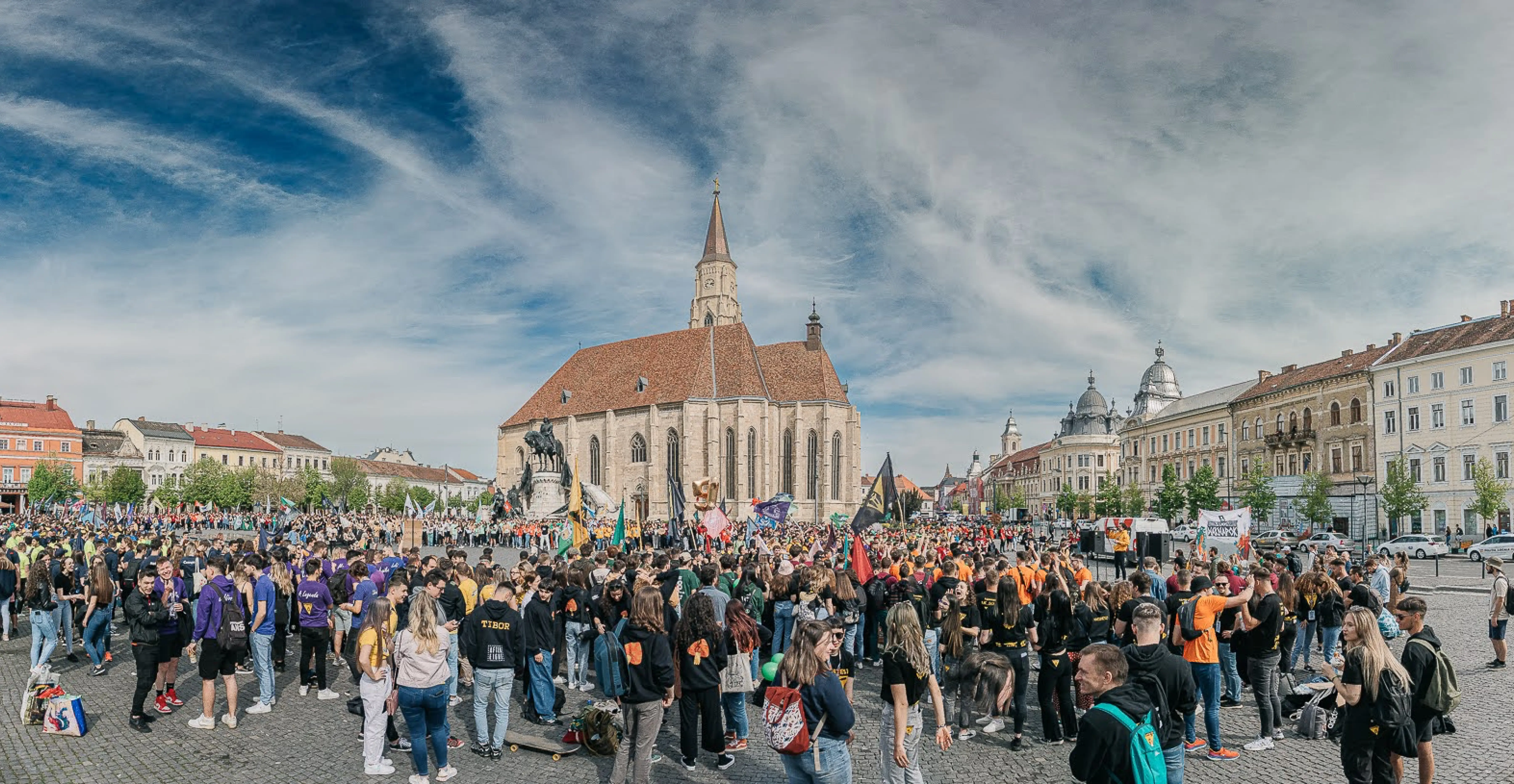
(Source:KMDSZ )
This university-driven vibrancy transforms the city into a lively space where culture, innovation, and diversity thrive. Cafés, bookstores, theaters, art galleries, and alternative event spaces are filled with students and young creatives, contributing to a dynamic and ever-evolving cultural landscape.
Cluj also hosts numerous conferences, exhibitions, and festivals dedicated to students and young professionals. In the summer, the city becomes even more inviting for exploration, with lively terraces and outdoor events. The youthful spirit of Cluj is visible not only in its events but also in the friendly, multicultural atmosphere that defines the city.
For visitors, this translates into a rich cultural offer, opportunities for networking, or simply an urban vibe rarely found elsewhere. Cluj manages to be not only a historic city but also a modern center of innovation, education, and culture—perfect for those wanting to experience the authentic energy of a young, continuously evolving city.
4. Cultural Life – Theater, Art, and Traditions in Every Corner of the City
Cluj-Napoca is undoubtedly one of Romania’s major cultural hubs, and in summer, the city fully showcases this side through a rich and diverse cultural offering suited to all tastes. Even without considering the big music festivals, Cluj pulses with art, traditions, and events that animate the city throughout the warm season.
For theater lovers, Cluj hosts the prestigious “Lucian Blaga” National Theater, an institution with over a century of history, where you can watch a wide range of performances—from classic plays to contemporary works. At the same time, the State Hungarian Theater impresses with innovative productions and internationally awarded shows, catering both to Hungarian-speaking audiences and to those open to diverse cultural experiences.
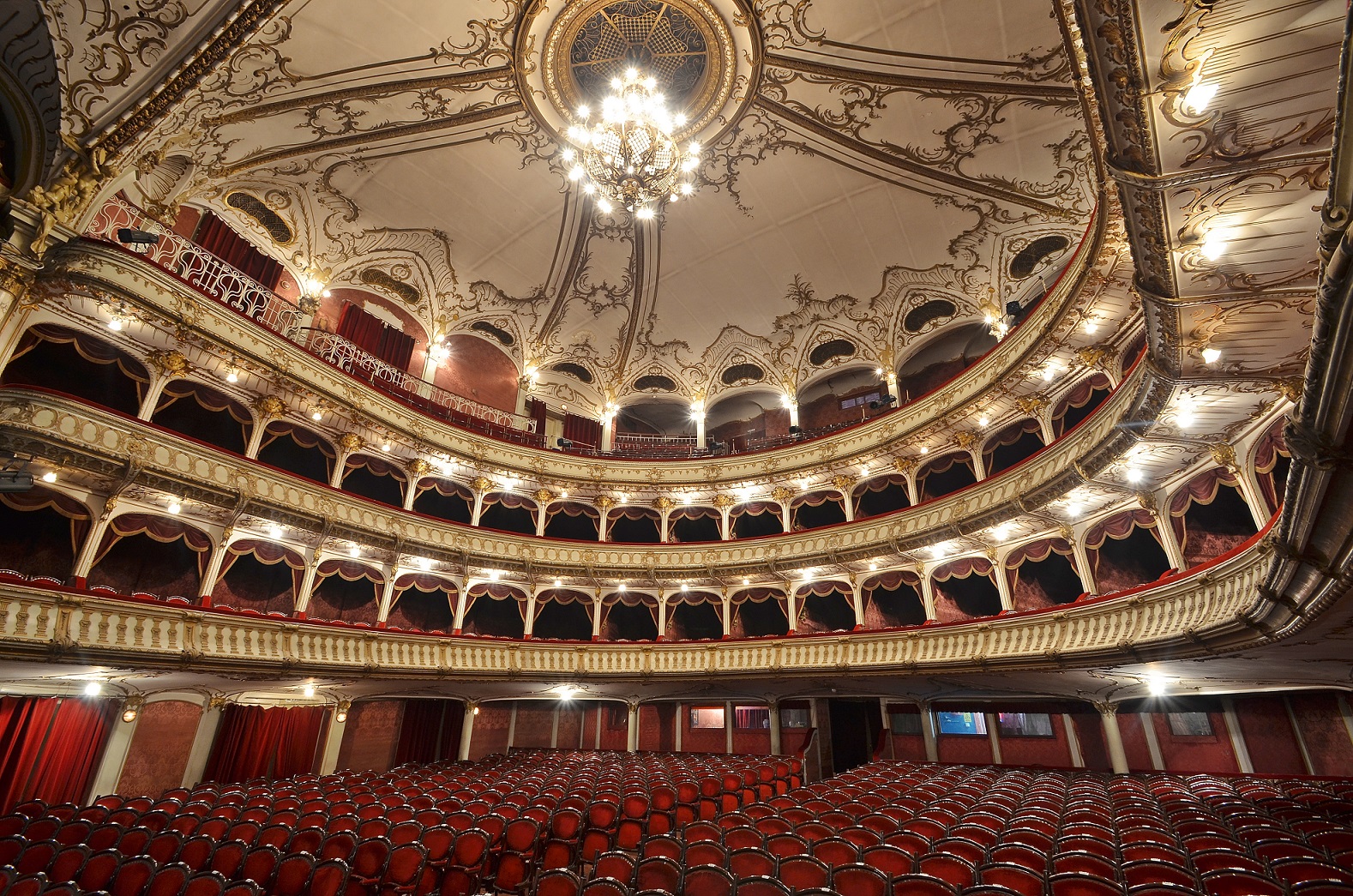
(Source: European Theathre Convention )
Visual arts find expression in numerous galleries and alternative spaces such as Fabrica de Pensule and Plan B Gallery, both recognized at the European level for promoting contemporary art. Here, exhibitions, performances, and meetings with local and international artists give visitors the opportunity to discover a creative and avant-garde side of Cluj.
Traditional folk customs are also not to be forgotten; they are proudly preserved by the local community, especially in the villages around the city. Craft fairs, pottery workshops, and events promoting traditional costumes and folk dances revive the city’s connection to its Transylvanian roots.
Additionally, cinema holds a special place in Cluj, with open-air screenings, film clubs, and art house cinemas such as Cinema Arta, a cultural landmark for cinephiles. In summer, these venues become meeting points for film lovers seeking alternatives to mainstream commercial offerings.
5. The Botanical Garden – a green and refreshing oasis in the heart of the city
In summer, when temperatures rise and the city becomes livelier than ever, the “Alexandru Borza” Botanical Garden in Cluj-Napoca is the perfect place for a cool and relaxing break. Located near the city center, on a hill offering beautiful panoramic views, the garden is one of the largest and most beautiful in Eastern Europe, spreading over approximately 14 hectares.
Founded in 1920, the garden houses over 10,000 plant species from all around the world, organized into themed sections that offer a true botanical journey across the globe. From Japanese gardens with lakes, bridges, and traditional pavilions, to the Roman garden, arranged with archaeological relics and Mediterranean plants, each area has its own distinct charm.

(Source:Gradina Botanica UBB Cluj )
One of the garden’s highlights is the tropical greenhouse, where visitors can admire exotic plants, palm trees, orchids, and giant water lilies. Equally spectacular is the alpine plant collection, cultivated on specially arranged terraces that replicate mountain conditions.
The Botanical Garden is not just a recreational space but also a center for research and education, affiliated with Babeș-Bolyai University. It frequently hosts exhibitions, guided tours, and educational activities, giving visitors the chance to discover fascinating stories about biodiversity and conservation.
Moreover, the tranquility of shaded paths, discreet benches, and the scent of flowers turn this place into an ideal refuge for reading, meditation, or simply a peaceful stroll away from the city’s hustle and bustle.
6.Festivals – Untold and Electric Castle: Two Legendary Reasons to Visit Cluj
One of the strongest reasons to visit Cluj this summer is the presence of two internationally renowned festivals that transform the city and the entire region into a true capital of music and entertainment: Untold and Electric Castle.
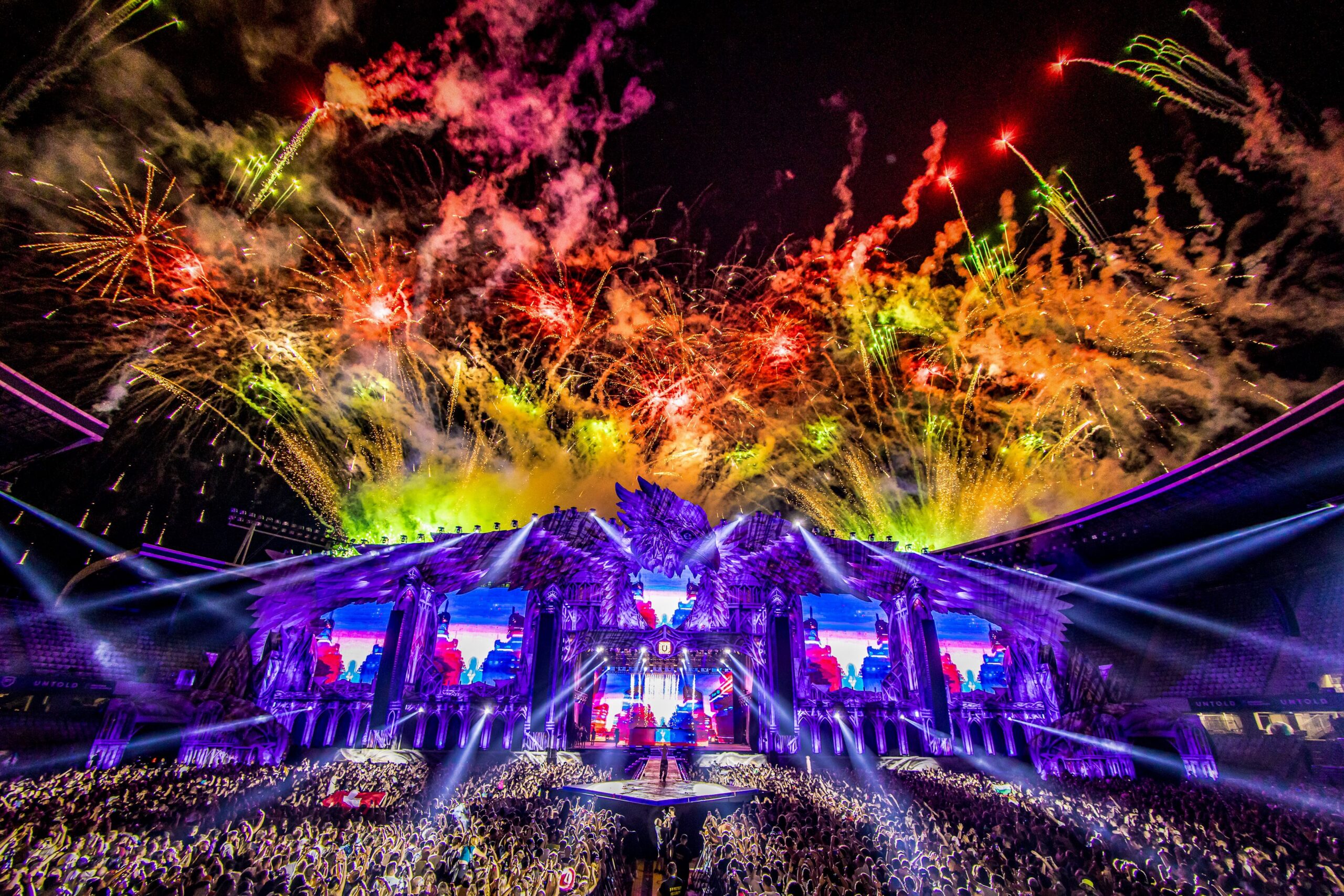
(Source: Rave Jungle )
Untold Festival, held annually in the heart of Cluj at Central Park and Cluj Arena, is one of the largest electronic music festivals in the world. The city transforms into a magical universe where light, music, and visual spectacle create an unforgettable experience. Over the years, top artists such as David Guetta, Armin van Buuren, Martin Garrix, and The Chainsmokers have performed on Untold’s stages, attracting tens of thousands of tourists from around the globe. The festival is not just about music, but also about a unique vibe that takes over the entire city, making Cluj pulse with energy until the early morning.
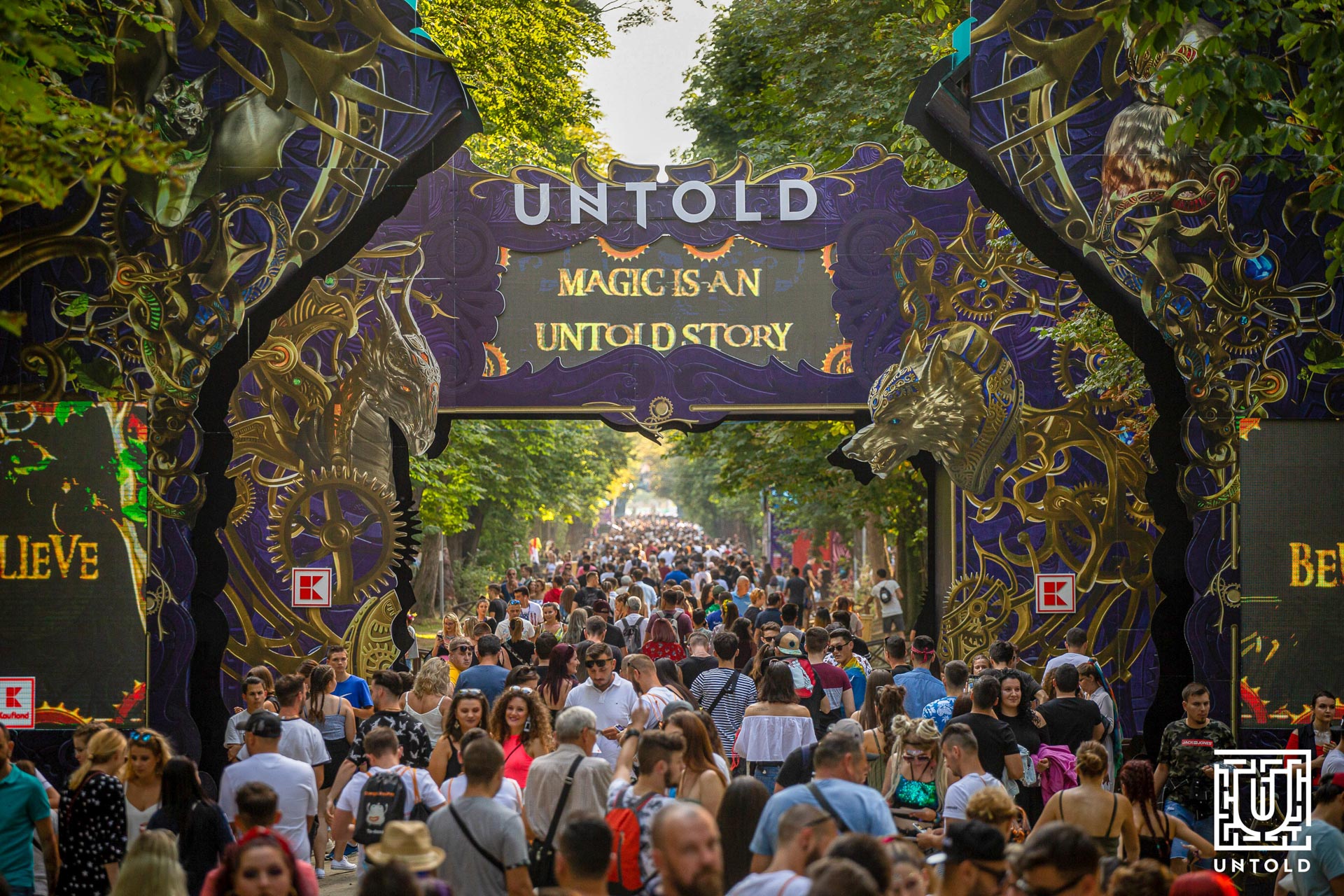
(Source: Cluj Life )
Just a few kilometers from Cluj, in the spectacular setting of the Banffy Castle in Bonțida, Electric Castle takes place—a festival that blends electronic music, rock, indie, and hip-hop with visual arts and alternative experiences. Electric Castle is more than just music; it’s a unique concept where every corner of the castle grounds becomes a creative space—from art installations to chill zones, open-air cinemas, workshops, and a wide variety of food options.
Both festivals turn summer in Cluj and its surroundings into a season of continuous excitement, attracting not only music fans but also travelers eager to experience the one-of-a-kind atmosphere that only Cluj can offer during this time of year.
7. Cultural Diversity – The Multicultural Spirit that Defines Cluj
Another essential reason why Cluj is worth visiting this summer is its unique cultural diversity, which defines the city and gives it a special charm. Cluj is a true cultural mosaic, where Romanian, Hungarian, German, and other minority communities live together and contribute to the city’s spiritual and cultural richness.
This diversity is reflected in the architecture, local cuisine, customs, traditions, and events. As you stroll through the historic center, you’ll notice Transylvanian, Austro-Hungarian, and Saxon influences blending harmoniously into a distinct urban landscape.
On the cultural scene, Cluj takes pride in prestigious institutions operating in both Romanian and Hungarian, such as the “Lucian Blaga” National Theatre and the Hungarian State Theatre, as well as in its multilingual academic offer across the city’s universities. Cluj regularly hosts events and festivals celebrating cultural diversity, such as the Hungarian Cultural Days or exhibitions and activities from various local communities.
This cultural variety is also reflected in the city’s culinary offer: restaurants and bistros serve everything from traditional Romanian dishes to Székely, Hungarian, or Saxon specialties, offering a complete gastronomic experience.
Cluj’s multiculturalism is not just a historical fact, but a living reality – a contemporary way of life that makes the city more welcoming, open, and engaging for any visitor. In a single day, you can explore different cultures, flavors, and perspectives, all in a friendly and cosmopolitan atmosphere.
That’s why Cluj is not just a city – it’s a vibrant cultural experience, one that allows you to truly understand the spirit of Transylvania: a place of diversity, dialogue, and proudly preserved traditions.