Top7
7 Must-See Destinations in Transylvania
Whether you’re drawn to mysterious castles, fortified churches, elegant urban architecture, or simply breathtaking landscapes, Transylvania has something to offer every traveler.
On this journey through the heart of Romania, we invite you to explore seven destinations that showcase the region's diversity and beauty. Bran Castle, shrouded in legend and considered one of the most famous castles in the world, remains an enduring symbol of Transylvania. Viscri, a Saxon village listed as a UNESCO World Heritage site, preserves its authenticity with whitewashed houses, massive wooden gates, and the unhurried rhythm of traditional life. Sighișoara, one of the last inhabited medieval citadels in Europe, fascinates visitors with its colorful streets and ancient towers.
Beyond these landmarks, you’ll discover cities of remarkable charm. Sibiu, with its Saxon heritage and medieval squares, has become a vibrant cultural and tourist hub. Oradea, located on Transylvania’s western border, impresses with its stunning Secession-style buildings and cosmopolitan energy. Biertan, another UNESCO fortified village, is home to one of the most imposing fortified churches in the region, a silent witness to centuries of Transylvanian history. And, of course, Brașov, nestled at the foot of Mount Tâmpa, where medieval walls blend seamlessly with a lively modern urban center.
These seven places are more than tourist destinations—they are living chapters of history and culture that embody Transylvania’s complex identity. By visiting them, you’ll uncover a land where Romanians, Saxons, and Hungarians have lived side by side for centuries, leaving behind a unique European heritage—an unfolding story worth exploring step by step.
Bran – The Castle of Legend and History
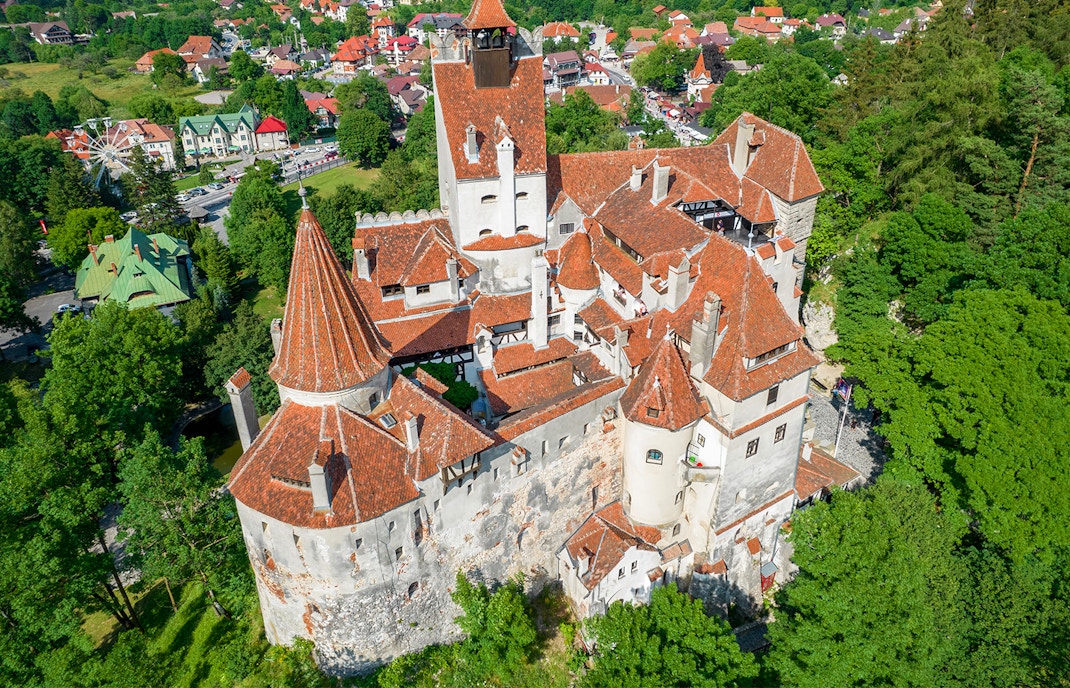
Few places in Romania have achieved such international fame as Bran Castle, often referred to as “Dracula’s Castle.” Perched strategically on a rocky hill guarding the pass between Transylvania and Wallachia, the fortress was built in the late 14th century, around 1377, to defend the border and control vital trade routes.
( Source: Bran Castle Tickets)
Over the centuries, Bran played an essential role in the region’s history. It served not only as an important customs post but also as a military stronghold in the conflicts between the Kingdom of Hungary, the Principality of Transylvania, and the Ottoman Empire. In modern times, the castle entered the spotlight of Romania’s Royal Family when it was gifted to Queen Marie, who transformed it into an elegant residence, adding charm and refinement.
Bran’s worldwide fascination, however, is tied to Bram Stoker’s famous novel Dracula. Although the author never set foot in Transylvania, the Gothic silhouette and mysterious atmosphere of the castle matched the imagery of his story, fueling the legend that placed the fearsome vampire count within its stone walls. In reality, the connection to the historical figure Vlad Țepeș (Vlad the Impaler) is tenuous at best. While he did pass through the area and fought battles nearby, there is no evidence that he ever resided in Bran. Still, the mix of history and myth has turned the castle into one of Romania’s most visited attractions.
Today, Bran Castle houses a museum with collections of art and historical artifacts, while also offering visitors the chance to explore both the Dracula legend and the region’s true past. Autumn, when the surrounding forests turn shades of red and gold, adds a spectacular touch to the visit, deepening the sense of mystery where legend meets reality.
Bran is not just a tourist symbol of Romania—it is a testimony to how authentic history and collective imagination can merge, creating a unique landmark on Europe’s cultural map.
Viscri – The Fortified Village on the UNESCO World Heritage List
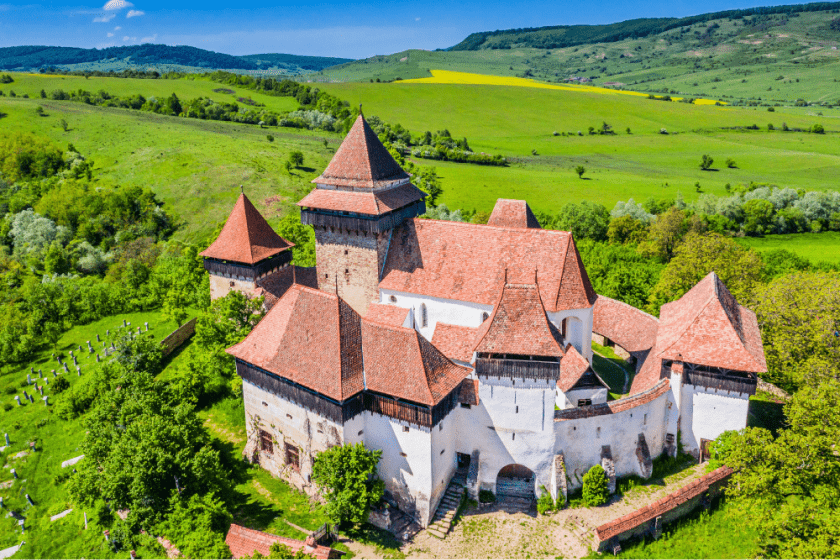
In a quiet corner of Transylvania, far from the bustle of big cities, lies Viscri, one of Romania’s most picturesque Saxon villages and a UNESCO World Heritage site. Founded in the Middle Ages by Saxon settlers, the village has preserved not only its distinctive architecture but also a traditional way of life that still endures today.
( Source: Valea Verde Retreat)
At the heart of Viscri stands its fortified church, originally built in the 12th century on early Roman foundations and expanded over the centuries to withstand invasions. The massive walls, defensive towers, and chambers once used as food stores or shelters bear witness to turbulent times, when Saxon communities had to defend themselves against attacks. This fortress is more than an impressive architectural monument—it is also a symbol of resilience and communal organization.
Viscri’s importance, however, goes beyond its past. The village is a rare example of rural authenticity, where whitewashed houses with heavy wooden gates and dusty streets preserve a medieval charm. In recent years, Viscri has gained international fame thanks in part to the British Royal Family: King Charles III (then Prince of Wales) purchased a traditional house here and, through his visits, championed the preservation of the area’s cultural and natural heritage. This royal attention brought the village global recognition and encouraged sustainable tourism.
A visit to Viscri feels like stepping into a nearly forgotten world, where time seems to flow differently. Beyond the fortified church, visitors can explore traditional crafts such as weaving and pottery, and enjoy simple, authentic local cuisine. It is a place where history, tradition, and nature intertwine, offering a deeply memorable experience.
Viscri is more than just a village—it is a window into Transylvania’s past and a living heritage site that continues to inspire through its simplicity and authenticity.
Sighișoara – The Living Citadel of Transylvania
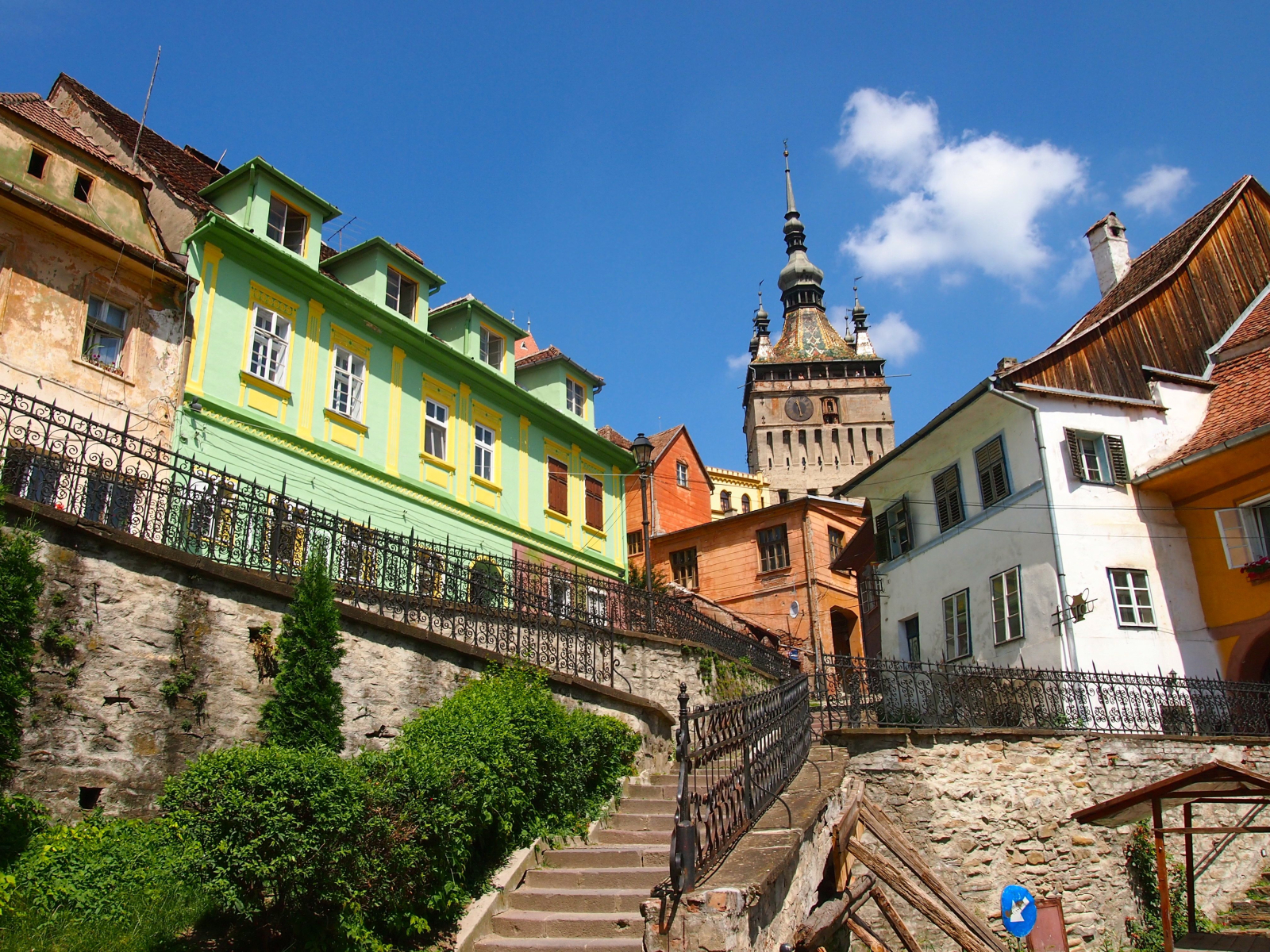
In the heart of Transylvania, on the banks of the Târnava Mare River, lies Sighișoara, one of the most beautiful and best-preserved inhabited medieval citadels in Europe. Founded in the 12th century by Saxon settlers, the town quickly grew into a prosperous commercial and craft center, protected by strong walls and defensive towers. Today, Sighișoara is a UNESCO World Heritage site and a true jewel of Romania’s medieval architecture.
:contrast(8):quality(75)/https://static4.libertatea.ro/wp-content/uploads/2023/05/weekend-romantic-in-romania-sighisoara-1024x684.jpg)
( source: Libertatea )
What makes Sighișoara truly unique is that the citadel is not just an open-air museum—it is a living town, where people still reside within walls that are more than 700 years old. Its iconic Clock Tower, dating back to the 14th century, now houses a fascinating museum. The tower’s moving figurines, marking each passing hour, stand as a reminder of the ingenuity of medieval craftsmen. Narrow cobblestone streets, colorful houses, and covered stairways create a fairy-tale atmosphere that is hard to find elsewhere.
Adding an element of mystery and legend, Sighișoara is also the birthplace of Vlad Țepeș (Vlad the Impaler), ruler of Wallachia in the 15th century and later the inspiration for the character of Count Dracula. His birthplace, a modest house within the citadel, can still be visited today.
Beyond its history, Sighișoara is renowned for its vibrant cultural life. Each summer, the Medieval Festival of Sighișoara brings the citadel to life with knights, minstrels, and artisans, immersing visitors in the atmosphere of a bygone era.
Sighișoara is more than a beautifully preserved medieval town—it is a place where history and tradition are still alive at every turn. Visiting it means stepping back in time to experience what life was like in a European citadel centuries ago, but within a setting that remains vibrant and full of character.
Sibiu – The Cultural Capital of Transylvania
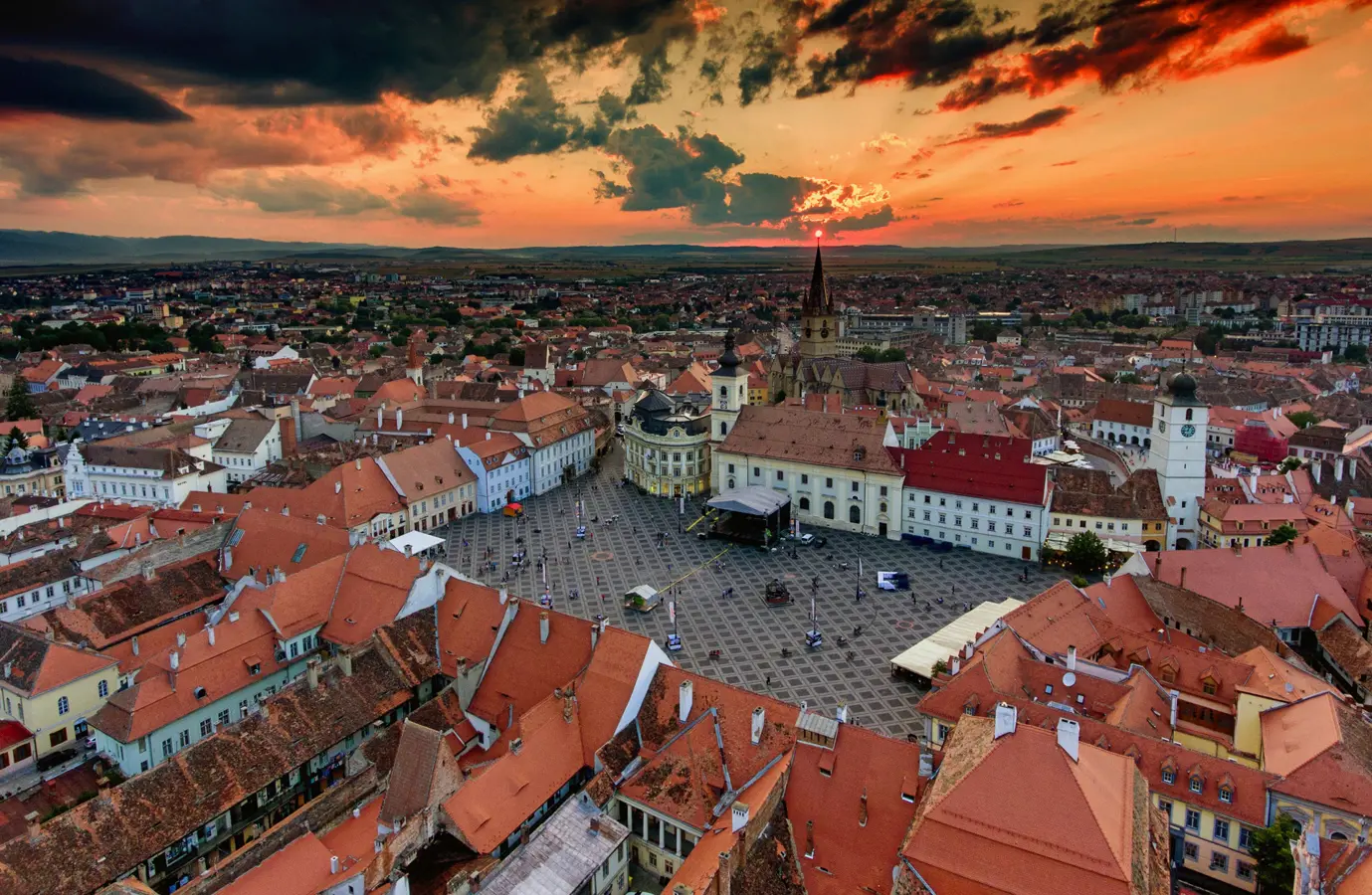
Few cities in Romania blend medieval heritage with modern vibrancy as seamlessly as Sibiu. Founded in the 12th century by Saxon settlers, it grew into one of Transylvania’s most important trade and craft centers for centuries. Its fortified walls, wide squares, and guild towers still recall the days when Sibiu stood as both a defensive stronghold and a crossroads of cultures.
( Source: Avion Tourism )
Today, Sibiu is celebrated as a true cultural hub, both in Romania and across Europe. Named European Capital of Culture in 2007, the city underwent a remarkable transformation, with extensive restorations, international events, and global recognition. The Great Square (Piața Mare), framed by imposing buildings and the iconic Council Tower, is the heart of the city’s spirit. Just steps away lies the Small Square (Piața Mică), famous for its houses with “eyes” peering from their rooftops, and the Bridge of Lies, surrounded by legends and timeless tales.
What sets Sibiu apart from other medieval towns in Transylvania is its cultural dynamism. Festivals of theater, music, film, and art fill the city with energy, attracting visitors from around the world. Its museums are equally impressive—most notably the Brukenthal National Museum, one of the oldest in Central and Eastern Europe, showcasing exceptional collections of European and Romanian art.
In autumn, Sibiu becomes even more enchanting: cobbled streets glow under warm colors, and the cafés and terraces of the old town create an intimate, inviting atmosphere. A visit here is not only a journey through history but also an encounter with a vibrant, modern present, where tradition and innovation coexist in perfect harmony.
Sibiu is more than just a travel destination—it is a city where past and present complement one another, shaping the image of an open, elegant European center deeply rooted in its historical legacy.
Oradea – The Art Nouveau Elegance of Transylvania
Situated on Romania’s western border, Oradea impresses visitors with its refinement and cultural diversity. With roots tracing back to Dacian and Roman times, the city grew over centuries into a major strategic and commercial hub thanks to its position along trade routes connecting Central Europe with the Balkans. In the Middle Ages, Oradea Fortress became one of the strongest strongholds in the region, serving as both refuge and defense against invasions.
( Source: Romania Insider )
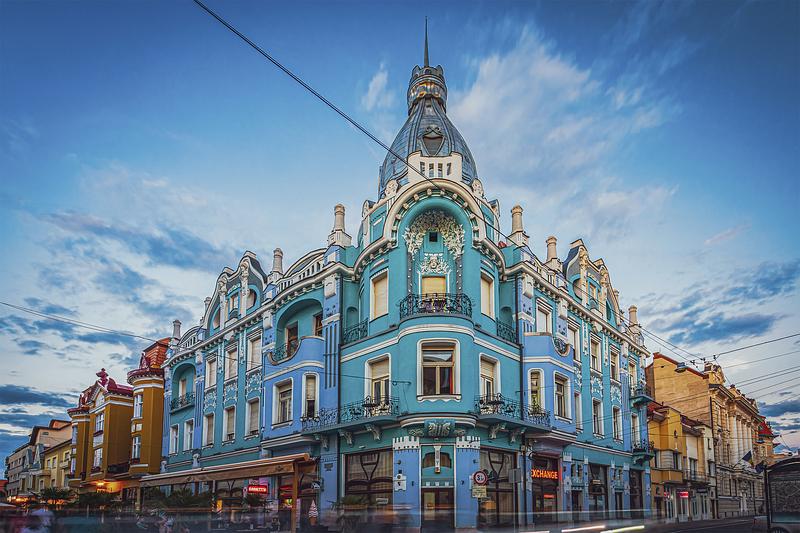
Today, Oradea is renowned for its Art Nouveau architecture—unique in Romania and among the best preserved in Europe. The grand buildings of the historic center—such as the Black Eagle Palace, Moskovits Palace, and Darvas-La Roche House—turn the city into an open-air gallery, where every façade tells a story. The refined urban charm is enhanced by broad squares, pedestrian streets, and Jewish synagogues, reminders of the diverse communities that once thrived here.
Another distinctive feature of Oradea is its connection with thermal waters. Known since antiquity for their healing properties, the area’s hot springs continue to attract visitors today. The nearby resorts—most famously Băile Felix—make Oradea a destination that blends cultural tourism with relaxation and wellness.
Oradea’s importance to Transylvania’s history and identity is undeniable: over the centuries, it has been a meeting place for Romanians, Hungarians, Jews, and other communities, all of whom left behind a rich multicultural legacy. Visiting Oradea means embarking on a journey through time—from medieval fortresses to Belle Époque elegance and the vibrant atmosphere of a modern European city.
Oradea is more than a tourist destination—it is a true example of urban renaissance, where past and present complement one another, offering visitors a rich and memorable experience.
Biertan – The Heart of the Saxon Fortified Churches
Nestled among the rolling hills of Transylvania, between Sibiu and Sighișoara, lies Biertan, a village with a rich history and a unique atmosphere, renowned for one of the most imposing fortified churches in Europe. Founded by Saxon settlers in the 13th century, the settlement quickly flourished, and the local community built an impressive fortification designed to protect not only their faith but also their lives.
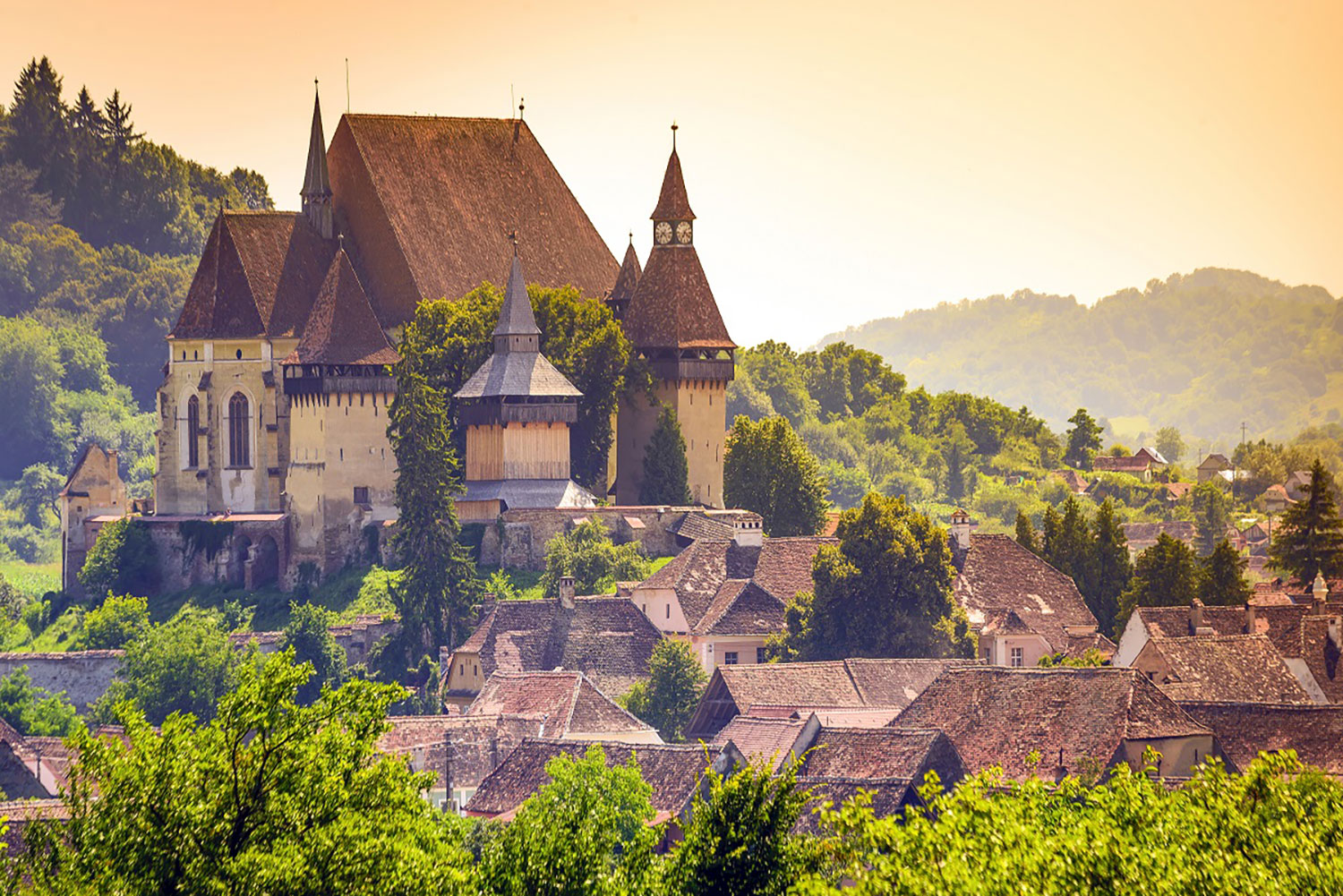
The Biertan Fortified Church, now a UNESCO World Heritage site, dominates the valley from its central hilltop and amazes visitors with its scale and complexity. Built in the late Gothic style at the end of the 15th century, the church is surrounded by three concentric walls and nine defensive towers, transforming it into a true citadel. For nearly 300 years (1572–1867), it served as the seat of the Saxon bishopric in Transylvania, underlining both its spiritual and political importance.
One of Biertan’s most intriguing details is the so-called “divorce tower.” Couples on the verge of separation were once required to live together in a small chamber for several weeks, sharing a single bed and one set of cutlery. Legend has it that most reconciled, a charming and poignant reminder of the communal traditions of the past.
Visiting Biertan today means more than exploring a spectacular medieval fortress—it is also about experiencing the calm rhythm of village life. Well-preserved Saxon houses, narrow lanes, and the gentle landscape of surrounding hills complete its fairy-tale charm.
Biertan is not just a historical monument but a symbol of the resilience and organization of the Saxon communities of Transylvania—a place where faith, tradition, and daily life came together to create a legacy of universal value.
Brașov – The City at the Foot of Mount Tâmpa
Surrounded by the Carpathian Mountains and watched over by Mount Tâmpa, Brașov is one of Romania’s most visited and beloved cities—a place where history and modern life blend seamlessly. Founded by Saxon colonists in the 13th century, Brașov flourished for centuries as a major commercial hub, strategically located on trade routes linking East and West. Its fortified walls, guild towers, and broad squares still testify to its cultural and strategic importance in Transylvania’s history.
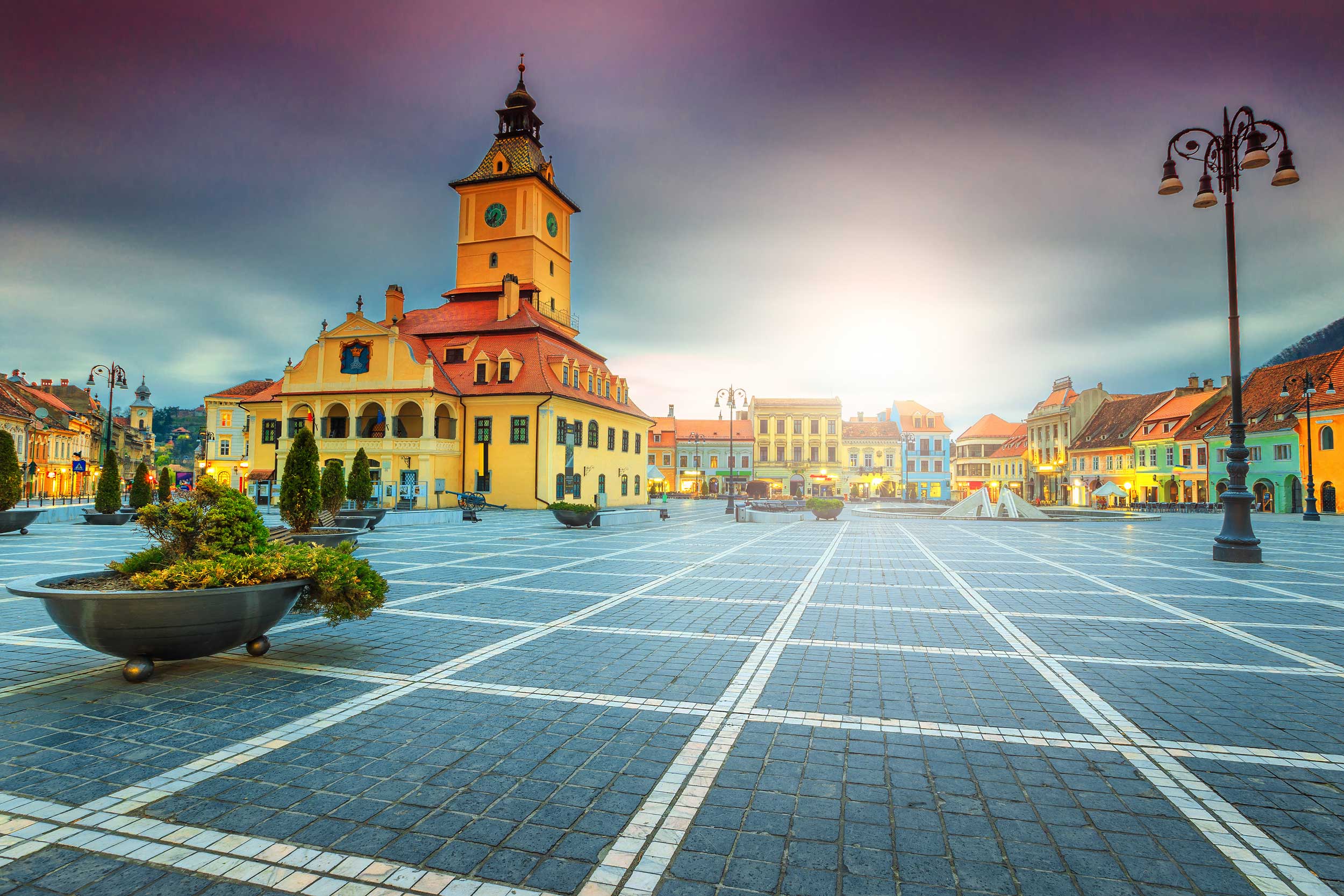
One of the city’s most iconic landmarks is the Black Church, the largest Gothic church in Southeastern Europe. Its name comes from the great fire of 1689, which blackened its walls. Inside, visitors can admire a unique collection of Oriental rugs—rare for any European church—as well as one of the largest functioning pipe organs in Europe, still used for concerts today.
Brașov also holds fascinating stories from the past. In the Middle Ages, it was an important printing center: in 1539, Diaconul Coresi printed the first books in Romanian here, a milestone in the development of national culture and identity. The city was also a thriving venue for fairs and trade gatherings that connected Transylvania with the rest of Europe.
Curiously, Brașov once bore a very different name: between 1950 and 1960, it was officially called Stalin City, and the name was even carved in giant letters on the slope of Mount Tâmpa. Though the inscription is gone, the story remains a curiosity for visitors.
Beyond its history, Brașov enchants with both urban charm and natural beauty. The Council Square (Piața Sfatului), lined with pastel-colored houses and buzzing with a bohemian atmosphere, is perfect for strolling, while Strada Sforii, one of the narrowest streets in Europe, adds a quirky touch. A hike up Mount Tâmpa rewards travelers with sweeping views over the city, rivaling some of Europe’s finest urban panoramas.
Brașov is more than a beautifully preserved medieval city—it is a place where every corner tells a story, where tradition meets modernity, and where visitors are invited to experience not only monuments and legends but also a vibrant way of life.